Wednesday, February 5, 2025

Garage Shed for Motorcycles: Secure and Weatherproof Storage

Garage Sheds for Motorcycles: Your Ultimate Guide to Secure & Weatherproof Storage

Hey fellow motorcycle enthusiasts! So, you've got a beautiful bike (or maybe a few!), and you're looking for the perfect place to keep it safe and sound. We've all been there – that sinking feeling when you think about your precious machine exposed to the elements or, worse, the risk of theft. That's why building or buying a dedicated garage shed for your motorcycles is a seriously smart move. Let's dive into everything you need to know to make the right choice.

Choosing the Right Type of Shed

The first hurdle is deciding what kind of shed best suits your needs. There's a surprisingly wide range of options available, each with its own pros and cons.

Wooden Sheds: The Classic Choice

Wooden sheds offer a classic, aesthetically pleasing look. They can be relatively inexpensive to build or purchase, especially if you're handy with DIY projects. However, wood requires regular maintenance – think painting or staining to protect it from the elements. Also, wood isn't as inherently strong as some other materials, so security might need extra attention.

Metal Sheds: Robust and Durable

Metal sheds are tough cookies! They're resistant to rot, insects, and fire, and generally require less maintenance than wood. The downside? They can get pretty hot inside during summer and cold in winter, which might not be ideal for your bike's delicate components. Plus, they can be more expensive upfront than wooden sheds.

Plastic Sheds: Budget-Friendly and Low-Maintenance

Plastic sheds are often the most affordable option, and they require minimal upkeep. However, they're not as sturdy as wood or metal, and they can be susceptible to damage from strong winds or impacts. Security is also a key consideration here – they're generally easier to break into than sturdier materials.

Composite Sheds: The Best of Both Worlds?

Composite sheds are made from a blend of materials, often wood fibers and plastic. They offer a good balance between the aesthetics of wood and the durability of plastic. They're relatively low-maintenance, but can be more expensive than traditional wood or plastic sheds.

Essential Features for Motorcycle Storage

No matter what material you choose, your motorcycle shed needs specific features to ensure your bike's safety and longevity.

Security Features: Keeping Your Bike Safe

Security is paramount. Consider these options:

  • Solid, reinforced doors with high-quality locks: Don't skimp here! A sturdy door and a good lock are your first line of defense against thieves.
  • Ground anchors: These bolt your shed to the ground, making it much harder to move or tow away.
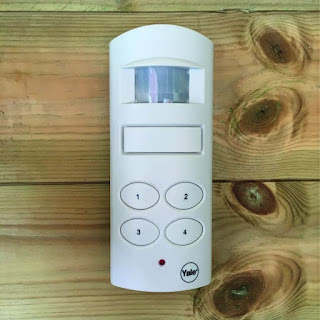
  • Alarm system: A motion-sensing alarm can deter potential thieves and alert you to any suspicious activity.
  • Surveillance cameras: Adding security cameras inside and outside provides extra security and evidence if anything does happen.

Weatherproofing: Protecting Against the Elements

A good shed will shield your motorcycle from rain, snow, sun, and extreme temperatures. Look for these features:

  • Proper ventilation: Prevents moisture buildup, which can lead to rust and damage.
  • Watertight roof and walls: Ensure there are no gaps or cracks that could let water in.
  • Good sealing around doors and windows: Prevents drafts and keeps out rain and snow.

Size and Space: Making Sure There's Enough Room

Measure your motorcycle carefully before purchasing or building a shed. You need enough space to easily access your bike, plus some extra room for tools, cleaning supplies, and any other gear you want to store.

Lighting and Power: Making it Easy to Work on Your Bike

Consider adding electrical outlets and lighting to your shed. This will be invaluable if you plan on working on your bike in the shed. Always follow local electrical codes and ensure proper wiring.

Building Your Own Shed vs. Buying a Pre-fabricated One

This is a big decision! Building your own shed can be a rewarding experience, allowing for complete customization. However, it requires time, tools, and skills. Buying a pre-fabricated shed is faster and easier, but offers less customization.

Building your own: Requires carpentry skills, time, and permits. You'll have complete control over design and materials, saving money in the long run (potentially). However, there's a higher risk of mistakes and delays.

Buying pre-fabricated: Faster and easier, with less risk of mistakes. Choices are limited to available designs and materials, and it will likely cost more upfront.

Maintaining Your Motorcycle Shed

Once you've got your perfect shed, remember that regular maintenance is key to ensuring its longevity. Regularly inspect the structure for any damage, repaint or restain wood sheds as needed, and clear gutters to prevent water damage.

Commonly Asked Questions

Q: What's the average cost of a motorcycle shed?

A: The cost varies wildly depending on size, materials, and features. Expect to pay anywhere from a few hundred dollars for a small plastic shed to several thousand for a custom-built wooden structure.

Q: Do I need a permit to build a shed?

A: Permit requirements vary by location. Check with your local building department before starting any construction.

Q: How do I choose the right lock for my shed?

A: Look for high-quality padlocks with strong shackle resistance and consider a keyed alike system if you have multiple sheds or outbuildings.

Q: What about ventilation to prevent moisture?

A: Proper ventilation is crucial. Include vents at the top and bottom of the shed to allow for air circulation.

Q: Can I store other things besides my motorcycle in the shed?

A: Absolutely! Many people use their motorcycle sheds for storing tools, gear, or other equipment.

Hopefully, this guide has given you a good starting point for finding the perfect garage shed for your prized motorcycle. Remember to prioritize security and weatherproofing to keep your bike safe and in top condition. Happy riding!

Tuesday, February 4, 2025

14x14 Shed Plans: Perfect for Storage and DIY Projects

14x14 Shed Plans: Perfect for Storage and DIY Projects

Dreaming of a spacious and organized workspace or a secure storage solution for your gardening tools, sports equipment, or seasonal items? A 14x14 shed offers the perfect blend of ample room and manageable size. This article delves into the practical considerations and exciting possibilities of building your own 14x14 shed, empowering you to tackle this rewarding DIY project with confidence. We'll explore design considerations, building materials, and essential tools, guiding you through each step to create a structure that perfectly complements your needs and aesthetic preferences.

Designing Your Dream Shed

Before you pick up a hammer, careful planning lays the foundation for a successful build. Consider your intended use. Will this shed primarily serve as a workshop, a storage unit, or a combination of both? This dictates the internal layout. For a workshop, prioritize ample workbench space and efficient tool storage. A storage-focused shed might benefit from shelving units, hanging racks, and potentially even a small loft for less frequently used items. Sketch out a rough floor plan, noting the placement of windows, doors, and any internal features. Think about the flow of movement within the space – you want easy access to all areas.

Essential Design Elements:

  • Door Placement: Consider accessibility and ease of moving larger items in and out.
  • Window Placement: Maximize natural light and ventilation, especially for a workshop.
  • Electrical Considerations: Plan for wiring if you intend to use power tools or lighting.
  • Foundation Type: Choose between a concrete slab, gravel base, or pressure-treated wooden base, based on your budget and ground conditions.

Choosing the Right Materials

Selecting high-quality materials ensures the longevity and durability of your 14x14 shed. Pressure-treated lumber provides excellent resistance to rot and insect damage, making it an ideal choice for the framing and floor. Consider using a robust roofing material like asphalt shingles, metal roofing, or even recycled plastic lumber for an environmentally conscious option. For the siding, you have numerous choices, from traditional wood clapboard to more modern options like vinyl or fiber cement. Remember to factor in the cost of these materials when budgeting for your project.

Material Considerations for Durability:

  • Pressure-Treated Lumber: Essential for framing and floor joists to withstand moisture and pests.
  • Roofing Material: Choose a durable and weather-resistant option that complements your home's style.
  • Siding Material: Select a material that is low-maintenance and visually appealing.
  • Fasteners: Use galvanized or stainless steel screws and nails to prevent rust.

Building Your 14x14 Shed: A Step-by-Step Guide

Constructing a 14x14 shed is a significant undertaking but a rewarding one. Begin by preparing the site, leveling the ground, and pouring your chosen foundation. Next, erect the frame, ensuring it is square and plumb. Once the frame is complete, install the floor joists and sheathing. Then, it's time for the siding, roofing, and finally, the doors and windows. Take your time, double-check your measurements, and don't hesitate to consult online resources or seek guidance from experienced builders if you encounter challenges. Each step builds upon the last, creating a sturdy and functional structure.

Essential Tools for Construction:

  • Measuring Tape and Level: Essential for accurate measurements and ensuring a plumb structure.
  • Circular Saw and Drill: For cutting lumber and driving screws.
  • Hammer and Nail Gun: For assembling the frame and securing siding.
  • Shovel and Post Hole Digger: For site preparation and foundation work (if necessary).

Building a 14x14 shed is a challenging but fulfilling project. With careful planning, the right materials, and a methodical approach, you can create a valuable addition to your property, providing years of reliable storage and a dedicated workspace for your DIY adventures.

Off-Grid Shed with Skylights: Natural Light for Energy Efficiency

Off-Grid Shed with Skylights: Natural Light for Energy Efficiency

Imagine a tranquil retreat, nestled away from the hustle and bustle of modern life. This isn't just a dream; it's achievable with an expertly designed off-grid shed, bathed in the soft glow of natural light. Harnessing the power of the sun through strategically placed skylights transforms this simple structure into an energy-efficient haven, minimizing your environmental impact while maximizing your comfort. This article explores the compelling advantages of integrating skylights into your off-grid shed design.

Why Choose an Off-Grid Shed?

The appeal of off-grid living is undeniable. Many seek the independence and self-sufficiency it offers, reducing reliance on expensive and often unreliable utility grids. An off-grid shed presents a fantastic opportunity to embrace this lifestyle. It can serve as a workshop, a home office, a guest house, or even a charming, secluded studio. The key is careful planning and consideration of energy-saving features, making natural light a crucial component of a successful design.

The Power of Skylights: Illuminating Your Off-Grid Haven

Skylights are more than just windows; they are strategic portals that flood your shed with natural daylight, significantly reducing the need for artificial lighting. This translates directly into substantial energy savings. Consider the following benefits:

Energy Savings:

By maximizing natural light, you dramatically decrease your reliance on electricity, a precious commodity in an off-grid setting. This reduction in energy consumption translates to lower operating costs and a smaller carbon footprint. You'll feel good knowing you're minimizing your environmental impact.

Improved Mood and Productivity:

Natural light has a profound effect on human well-being. Studies show that exposure to sunlight boosts mood, increases alertness, and improves overall productivity. Working or relaxing in a naturally lit space fosters a more positive and productive environment, enhancing your enjoyment of your off-grid retreat.

Enhanced Aesthetics and Space:

Skylights dramatically improve the aesthetics of your shed. They create a brighter, airier feel, making the space appear larger and more welcoming. The interplay of light and shadow adds depth and character, transforming a simple structure into a visually stunning and inviting space.

Designing Your Skylight-Enhanced Off-Grid Shed

Careful planning is essential for maximizing the benefits of skylights. Consider these crucial factors:

  • Orientation: Position your shed to maximize southern exposure (in the Northern Hemisphere) to capture the most sunlight throughout the day.
  • Skylight Size and Placement: The size and number of skylights should be carefully calculated based on the shed's size and intended use. Strategically placing skylights can ensure even light distribution.
  • Insulation: Use high-quality, energy-efficient insulation around your skylights to prevent heat loss in winter and heat gain in summer. This maintains a comfortable interior temperature year-round.
  • Ventilation: Incorporate ventilation features to prevent overheating, especially during warmer months. This can include operable skylights or strategically placed windows.
  • Materials: Choose durable, weather-resistant materials for your skylights, capable of withstanding the elements and providing long-lasting performance.

Conclusion: Embracing Sustainable Living

Building an off-grid shed with skylights is a smart, sustainable choice. It represents a commitment to energy efficiency, environmental responsibility, and the pursuit of a more self-sufficient lifestyle. By harnessing the power of natural light, you create a haven that is both functional and aesthetically pleasing, a testament to the beauty and practicality of off-grid living.

How to Build an 8x8 Lean-To Shed Without a Permit: Legal Tips

Building an 8x8 Lean-To Shed Without a Permit: Navigating Legal Considerations

This document provides information regarding the potential construction of an 8x8 lean-to shed without obtaining the necessary building permits. It is crucial to understand that building without permits is generally illegal and carries significant risks. This information is for educational purposes only and should not be construed as legal advice. Always consult with local building authorities and legal professionals before undertaking any construction project. Failure to comply with building codes and regulations can result in fines, stop-work orders, demolition mandates, and legal action.

Understanding Local Building Codes and Regulations

The legality of constructing a shed without a permit hinges entirely on local regulations. These regulations vary significantly by jurisdiction, encompassing factors such as:

Size and Height Restrictions

Many municipalities have size limitations on structures that do not require permits. While an 8x8 shed might fall under the permitted size in some areas, this is not guaranteed. Height restrictions are another critical factor. Even if the shed's footprint is acceptable, its overall height could exceed the limit for permit-exempt structures. Always check your local building codes for precise dimensions.

Setback Requirements

Setback requirements dictate the minimum distance a structure must be from property lines. Failure to adhere to these regulations is a common cause for permit violations. Before beginning construction, meticulously measure the distances to all property boundaries to ensure compliance. These measurements should be verified with property surveys if available.

Foundation Requirements

The type of foundation required for a shed can also impact permit requirements. Some jurisdictions may exempt simple structures with minimal foundations, while others mandate more substantial foundations even for small sheds. Check your local codes to determine the acceptable foundation types for permit-exempt structures. Improper foundations can lead to structural instability and safety hazards.

Material Restrictions

The materials used in construction may also be subject to regulations. Some jurisdictions might restrict the use of certain materials for small structures, potentially requiring more robust materials for fire safety or other reasons. Confirm the permitted materials with your local building department.

Zoning Regulations

Zoning regulations can significantly impact what you can build on your property. They might restrict the types of structures allowed in certain zones or impose limitations on their size and location. Before starting any construction, review your property's zoning designation and the associated regulations.

Potential Risks of Building Without a Permit

Building without a permit entails several significant risks, including:

Legal Penalties

The most immediate risk is facing legal penalties, which can range from substantial fines to court orders requiring the demolition of the illegally constructed shed. These penalties can vary widely depending on the jurisdiction and the severity of the violation.

Insurance Complications

If a structure is built without a permit, your homeowner's or property insurance may not cover damages to or liability associated with the shed. This means you could be personally liable for any accidents or damages resulting from its construction or use.

Resale Value Impacts

The lack of a building permit can negatively impact your property's resale value. A potential buyer might be hesitant to purchase a property with unpermitted structures due to potential legal and financial liabilities.

Difficulties with Future Construction Projects

The presence of an unpermitted structure can complicate future construction projects on your property. It may impede obtaining permits for renovations or new structures in the future.

Steps to Minimize Risks (While Still Acknowledging the Illegality)

Disclaimer: The following steps do not endorse or condone building without a permit. They merely highlight ways to mitigate some, but not all, of the associated risks, should one choose to proceed despite legal ramifications. Always seek legal counsel before proceeding.

If, despite the risks, you are considering proceeding without a permit, it is highly recommended that you:

  • Thoroughly research your local building codes and zoning regulations. Document your findings meticulously.
  • Ensure the shed's size, height, and foundation comply (as much as possible) with local regulations for permit-exempt structures.
  • Keep detailed records of all materials purchased, labor costs, and the construction process itself. This documentation might be beneficial in future discussions with building authorities.
  • Consider the possibility of 'self-certification' or voluntary compliance with building codes. Some jurisdictions allow property owners to submit a request for a post-construction inspection even after the structure is built.
  • Consult with a qualified builder to ensure that the shed is built to the highest standards of safety and stability.
  • Seeking Legal Counsel

    Before undertaking any construction project, seeking legal counsel is essential. An attorney specializing in construction law can provide guidance on local building codes, zoning regulations, and the potential legal implications of building without a permit. This is not optional; it is a necessity.

    This document provides general information and does not constitute legal advice. The information provided herein is subject to change based on local regulations. You are solely responsible for complying with all applicable laws and regulations.

    Prefab Shed Plans: Quick and Easy Shed Construction

    Prefab Shed Plans: Quick and Easy Shed Construction

    Why Choose Prefab Sheds?

    Building a shed can feel daunting, conjuring images of complex blueprints and endless weekends spent wrestling with lumber. But what if you could drastically simplify the process? Prefab shed plans offer a compelling solution for homeowners looking to add valuable storage space without the headache of traditional construction. These plans provide pre-cut and pre-drilled components, significantly reducing construction time and requiring minimal carpentry experience. Imagine spending less time measuring, cutting, and fitting, and more time enjoying your newly built, organized outdoor space. This translates to a project you can complete much faster, potentially even within a single weekend, depending on the size and complexity of your chosen design.

    Choosing the Right Prefab Shed Plan

    The beauty of prefab shed plans lies in their variety. Consider your specific needs before making a selection. Size is the first crucial consideration. Do you need a small shed for storing gardening tools, or a larger structure to accommodate lawn equipment and bicycles? Next, think about materials. Many plans offer options including durable pressure-treated lumber, sturdy metal, or even attractive vinyl siding for a low-maintenance solution. Then, consider the style. Do you prefer a classic gable roof or a more modern design? Carefully studying available plans and comparing features will ensure you choose a shed perfectly suited to your property and lifestyle.

    Key Features to Look For:

    • Detailed instructions: Clear, easy-to-follow instructions are essential for a stress-free build.
    • Pre-cut lumber: This eliminates the need for extensive on-site cutting and ensures accurate dimensions.
    • Pre-drilled holes: This simplifies assembly and reduces the chance of error.
    • Material lists: Comprehensive lists ensure you purchase everything you need.
    • Customer support: Reliable customer support can answer questions and resolve any unexpected issues.

    Building Your Prefab Shed: A Step-by-Step Guide

    Once you've selected your prefab shed plan, the actual construction is remarkably straightforward. Most plans provide step-by-step instructions, often with accompanying diagrams. Begin by carefully reviewing these instructions and gathering all necessary tools and materials. Typically, construction involves assembling the floor frame, erecting the walls, installing the roof, and adding the finishing touches such as doors and windows. Remember to work methodically, ensuring each component is properly secured before moving on to the next step. While the pre-cut components significantly simplify the process, taking your time and double-checking measurements will ensure a robust and long-lasting structure.

    Beyond the Basics: Personalizing Your Shed

    While prefab shed plans offer a convenient starting point, don't limit yourself to the basic design. Once the core structure is complete, you can personalize your shed to reflect your individual style and needs. Consider adding features like shelves for extra storage, installing workbenches for projects, or even adding electricity for lighting or power tools. A fresh coat of paint can also drastically enhance the aesthetic appeal of your new shed, allowing it to blend seamlessly with your existing landscape. With a little creativity, your prefab shed can transform from a simple storage solution into a valuable and personalized extension of your home.

    8x8 Outdoor Shed Plans: Protect Your Tools and Lawn Equipment

    8x8 Outdoor Shed Plans: Protect Your Tools and Lawn Equipment

    Hey there, fellow DIYers! So, you're thinking about building an 8x8 outdoor shed? That's fantastic! It's a rewarding project that will give you a ton of extra storage space and protect your valuable tools and lawn equipment from the elements. I've built a few sheds in my time, and let me tell you, there's nothing quite like the satisfaction of creating something useful and durable with your own two hands. This guide will walk you through the process, offering tips and tricks along the way. Let's get started!

    Planning Your 8x8 Shed

    Before you even think about grabbing a hammer, careful planning is crucial. This stage sets the foundation for a successful build. Rushing through this phase can lead to costly mistakes down the line, so take your time!

    Choosing the Right Location

    Where will your new shed live? Consider these factors:

    • Accessibility: Will you have easy access to the shed for bringing in and taking out your equipment?
    • Sunlight: Too much sun can overheat the shed. A little shade is always a good thing.
    • Drainage: You don't want water pooling around your shed's foundation. Choose a spot with good drainage to prevent rot and water damage.
    • Local Regulations: Check your local building codes and HOA regulations. There might be restrictions on shed size, placement, and materials.

    Designing Your Shed

    An 8x8 shed offers a surprisingly good amount of space, but you'll want to maximize it effectively. Think about:

    • Door placement: A side door can be easier to access than a front door, depending on your yard layout.
    • Window placement: Windows provide light and ventilation, but avoid placing them where they might be easily broken or compromised security.
    • Shelving and storage: Plan where you'll put shelves and other storage solutions to keep things organized.
    • Workbenches: If you plan on using the shed as a workshop, incorporate a workbench into your design.

    Gathering Your Materials

    This is where things get exciting! You'll need a range of materials, and choosing quality materials will make a huge difference in the longevity of your shed. Here's a general list (quantities will depend on your specific design):

    • Pressure-treated lumber: For the foundation, framing, and floor.
    • Exterior siding: Options include vinyl, wood, or metal. Consider your budget and aesthetic preferences.
    • Roofing materials: Asphalt shingles are a common and relatively inexpensive choice.
    • Hardware: Nails, screws, hinges, door handle, etc. Don't skimp on quality hardware!
    • Concrete blocks or pier blocks: For the foundation.
    • Plywood: For the sheathing and flooring.

    Building Your 8x8 Shed: A Step-by-Step Guide

    Now for the fun part – the actual construction! Remember to always prioritize safety. Wear appropriate safety gear, including safety glasses and work gloves.

    Laying the Foundation

    A solid foundation is essential. You can opt for a concrete slab, a gravel base, or pier blocks. Leveling the foundation is crucial to prevent problems later on. Use a level to ensure everything is perfectly aligned. Don't rush this step!

    Framing the Walls and Floor

    This involves cutting and assembling the lumber to create the walls and floor framework. Accuracy is key here. Use a square to ensure your corners are perfectly 90 degrees. Pre-drilling holes before driving screws will prevent the wood from splitting.

    Installing the Siding and Roofing

    Once the framing is complete, you can install the siding. This is where your shed starts to take shape! Follow the manufacturer's instructions for your chosen siding material. Roofing is a bit more involved, but it's a rewarding step. Make sure your roof is properly sealed to prevent leaks.

    Adding Doors and Windows

    Install your doors and windows carefully, ensuring they are properly aligned and sealed. Use high-quality hinges and hardware for durability. Remember to check if your windows need weatherstripping to prevent drafts.

    Interior Finishing Touches

    Once the exterior is complete, it's time to focus on the interior. Install shelving, a workbench, and any other storage solutions you planned for. Consider painting or staining the interior walls for a more finished look. A fresh coat of paint can also protect the wood.

    Tips for a Successful Shed Build

    Here are a few extra tips to make your shed building experience smoother and more successful:

    • Take your time: Rushing the process can lead to mistakes.
    • Double-check your measurements: Accuracy is paramount.
    • Use quality materials: This will ensure the longevity of your shed.
    • Ask for help if needed: Don't be afraid to ask friends or family for assistance.
    • Have fun! Building a shed is a rewarding project. Enjoy the process.

    Commonly Asked Questions

    Here are some common questions I get about building 8x8 sheds:

    • Q: How much does it cost to build an 8x8 shed? A: The cost varies greatly depending on the materials you choose, but you can expect to spend anywhere from $1000 to $5000 or more.
    • Q: How long does it take to build an 8x8 shed? A: This depends on your experience and how much time you can dedicate to the project. It could take a weekend for experienced builders or several weekends for beginners.
    • Q: Do I need a permit to build a shed? A: This varies by location. Check with your local building department to see if a permit is required.
    • Q: What kind of foundation is best for an 8x8 shed? A: Concrete slabs are the most durable, but pier blocks are a more affordable option.
    • Q: Can I build an 8x8 shed by myself? A: It's possible, but it's much easier and safer with a helper, especially for lifting and positioning heavy materials.

    I hope this comprehensive guide helps you build your dream 8x8 outdoor shed! Remember, preparation and patience are key. Happy building!

    Off-Grid Shed Security Tips: Protect Your Equipment in Remote Areas

    Off-Grid Shed Security Tips: Protect Your Equipment in Remote Areas

    So, you've built your dream off-grid shed, a haven for all your precious equipment, tools, and supplies. It's tucked away in a beautiful, secluded spot… but that secluded spot also makes it a tempting target for thieves. Let's be honest, peace and quiet are fantastic, but they don't exactly deter opportunistic criminals. This is why beefing up security for your off-grid shed is crucial. We're going to talk about practical, realistic ways to protect your investment, no matter how remote your location might be.

    Location, Location, Location (and Visibility!)

    Before we dive into locks and alarms, let's talk about the basics. The location of your shed plays a massive role in its security. While that secluded spot might sound idyllic, it also offers less visibility and a greater sense of privacy for would-be thieves. Ideally, your shed should be:

    Visible from Your Main Dwelling:

    Being able to easily see your shed from your house, or even a nearby window, acts as a significant deterrent. Thieves are much less likely to risk being spotted.

    Close to, but not directly on, a Main Path:

    Proximity to a main path allows for easier access for you, but a slightly more hidden location within your property can still provide a degree of camouflage.

    Well-Lit:

    Good lighting, especially motion-activated lights, is a powerful deterrent. Even solar-powered lights can make a big difference. The brighter your shed is at night, the less attractive it is to criminals.

    Robust Physical Security Measures

    Let's get down to the brass tacks – the physical security of your shed. This is where you invest in the right hardware to keep unwanted guests out.

    Strong Locks and Hinges:

    Don't skimp on the locks! Invest in heavy-duty padlocks with hardened shackle, preferably ones that are resistant to bolt cutters. Consider reinforcing the door frame and hinges to prevent someone from simply ripping the door off its hinges. This might involve using longer screws, reinforcing plates, or even using security hinges that are concealed within the door frame.

    Reinforced Doors and Walls:

    If you're building your shed from scratch, choose strong materials like thick plywood or metal. Consider adding extra layers of plywood or even metal sheeting to the most vulnerable areas. A solid door is the first line of defense.

    Ground Anchors:

    For extra security, consider anchoring your shed to the ground using heavy-duty ground anchors. This makes it extremely difficult to move or tip the shed over.

    Technological Security Enhancements

    Technology can be a great ally in protecting your off-grid shed. While you might not have constant internet access, there are still several options you can explore.

    Wireless Security Cameras:

    Solar-powered wireless security cameras are a game-changer. They provide remote monitoring, even without a constant internet connection. You can review footage later or receive alerts on your phone if motion is detected. Look for cameras with good night vision and weatherproofing. Remember that even the threat of cameras is a deterrent.

    Motion Sensors and Alarms:

    Motion sensors paired with a loud alarm system are a great way to scare off potential intruders. Wireless systems are convenient and can be powered by batteries or solar panels. The sudden, loud noise can be enough to send them running.

    GPS Trackers:

    If you have valuable equipment inside, consider attaching GPS trackers to them. This will make it easier to recover stolen items, though it won't necessarily prevent theft itself.

    Camouflage and Concealment

    Sometimes, the best defense is a good offense... or rather, a good hiding place. Camouflage and concealment can deter thieves who are looking for easy targets.

    Blending In:

    The more your shed blends with its surroundings, the less noticeable it will be. Consider painting it a neutral color that matches the landscape. Overgrown plants and shrubs can help mask its presence.

    Concealed Access:

    Instead of a readily visible door, consider creating a less obvious access point, perhaps hidden behind bushes or under a false cover.

    Deterrents Beyond Technology and Hardware

    It's not all about locks and cameras. Here are a few more practical tips:

    Neighbors' Awareness:

    Let your neighbors know about your off-grid setup. They can act as an extra set of eyes and ears, and may notice anything suspicious.

    Regular Inspections:

    Make a habit of regularly checking on your shed. This lets you spot any signs of tampering or damage early on.

    Keep It Unattractive:

    Don't leave tempting items visible through windows. If nothing looks valuable, thieves may be less interested.

    Good Insurance:

    Even with the best security, accidents can happen. Make sure you have adequate insurance to cover the cost of replacement or repair in case of theft or damage.

    Commonly Asked Questions

    Here are some frequently asked questions about off-grid shed security:

    • Q: Are solar-powered security systems reliable? A: Yes, but you need to ensure they receive enough sunlight and have adequate battery backup. Regular maintenance is key.
    • Q: How much does off-grid shed security cost? A: Costs vary greatly depending on the level of security you choose. Basic locks are inexpensive, while comprehensive systems with cameras and alarms can be more costly.
    • Q: What should I do if my shed is broken into? A: Call the police immediately. Do not touch anything before they arrive to preserve evidence. Document everything – damage, missing items, etc.
    • Q: How often should I test my security system? A: Regularly testing your alarms and cameras is important. This can be a monthly or quarterly check depending on the system.
    • Q: Is it better to have a visible or hidden shed? A: There's no single right answer. A visible shed may be easier to monitor, but a well-hidden one might be harder to find for thieves. You need to weigh the pros and cons based on your specific location and situation.

    Protecting your off-grid shed requires a multi-faceted approach. By combining robust physical security with smart technology and a bit of clever planning, you can significantly reduce the risk of theft and keep your valuable equipment safe and sound.